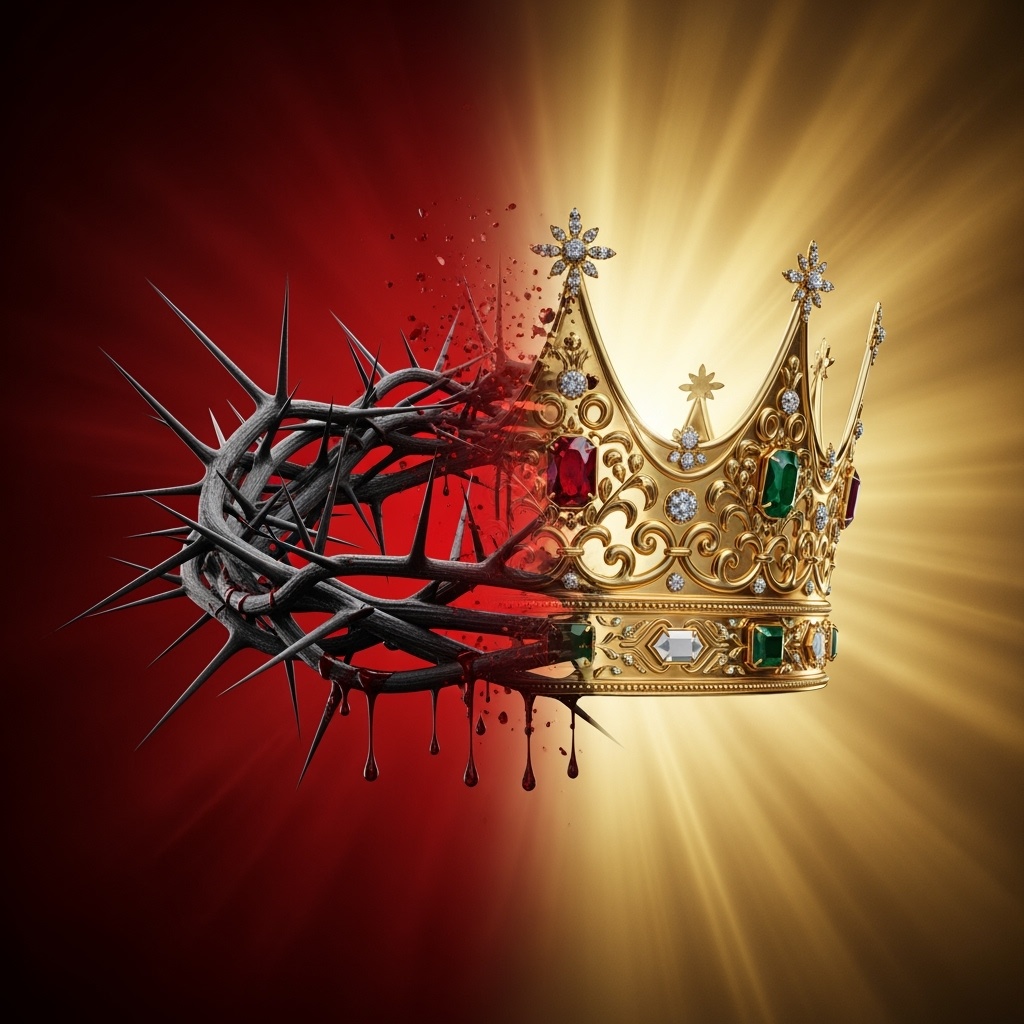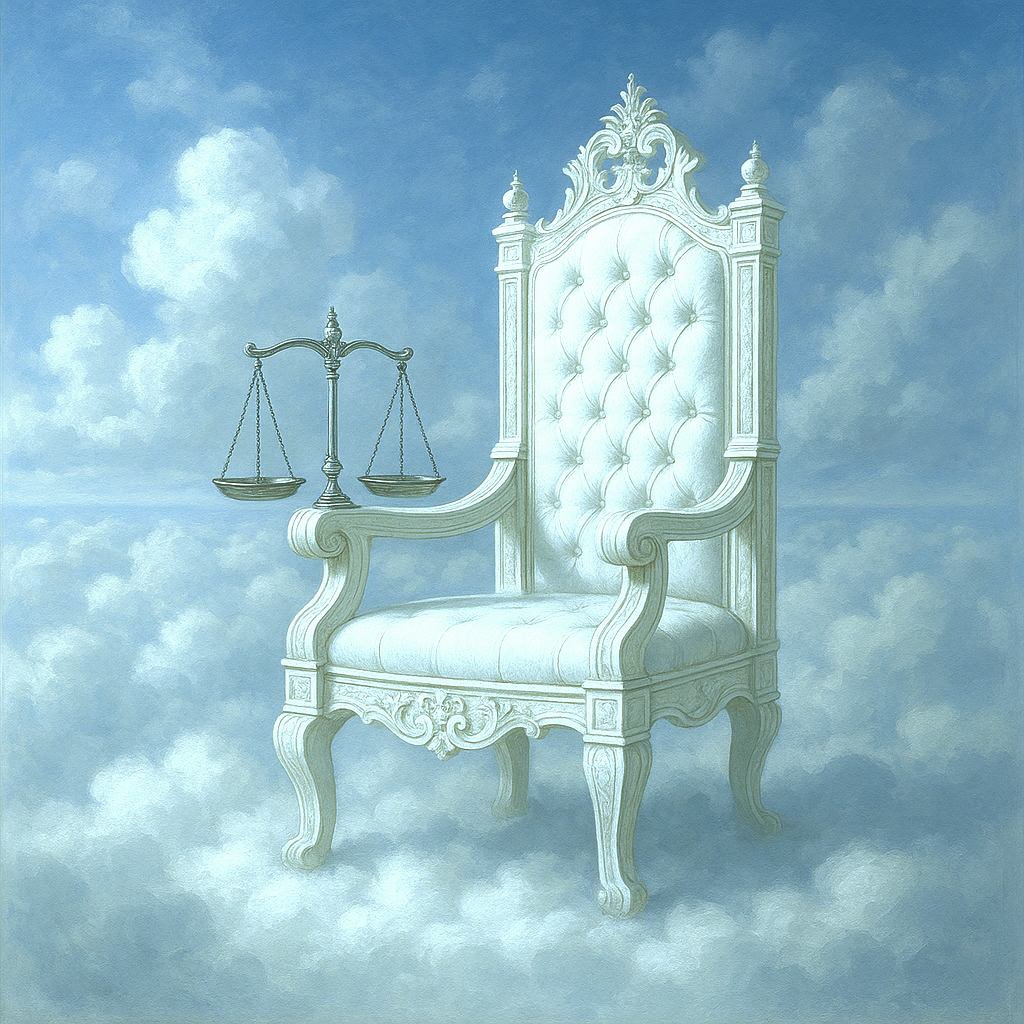
History crescendos to its finale. The invisible King becomes visible—the victorious King of Kings. With the hosts of heaven, Jesus will appear in blazing glory. There will be no doubt who He is:
“When the Son of Man comes in His glory, and all the angels with Him, then He will sit on His glorious throne” (Matthew 25:31).
“Then I saw a great white throne and Him who sat upon it” (Revelation 20:11).
At His return, Jesus summons all people—past and present—before His throne (2 Thessalonians 1:7). No one is exempt. It is time for the final exam.
Jesus: The Judge
When He walked the dusty roads of Galilee, Jesus shocked the religious leaders not only by claiming equality with God but also by declaring that He Himself would judge the world:
“For not even the Father judges anyone, but He has given all judgment to the Son” (John 5:22).
He described the day when all nations will be gathered before Him, and like a shepherd He will separate the sheep from the goats (Matthew 25:32–33).
The Apostle Paul carried this same message:
- To Athens: “He has set a day on which He will judge the world in righteousness… by raising Him from the dead” (Acts 17:30–31).
- To Governor Felix: “As he discussed righteousness, self-control, and the judgment to come, Felix became frightened” (Acts 24:25).
Even the Apostles’ Creed affirms this final act of the gospel:
“From there He will come to judge the living and the dead.”
The King now puts on His robe as Judge.
Judgment: Based on Merit—But Whose?
Many assume God grades on a curve. He doesn’t. Scripture is clear: God’s standard is absolute holiness. His justice demands perfection.
But here the gospel shines: through the cross, Jesus offered Himself as the perfect substitute. He satisfied justice and now clothes those who believe with His righteousness. God’s holiness stands, His justice is upheld, and His mercy is revealed.
Sheep and Goats: Two Destinies
Jesus’ parable reveals the final verdict (Matthew 25:32-33):
- The Goats — Rely on their own merit. Their deeds fall short. Verdict: Unacceptable. Banished from God’s presence.
- The Sheep — Trust in Christ’s merit. They surrendered their efforts long ago and received His gift of righteousness. Verdict: Eternal life in God’s presence.
The difference? Not merit, but trust.
A Heart Transplant
The prophets diagnosed humanity’s condition: “The heart is deceitful above all things and beyond cure” (Jeremiah 17:9).
Our only hope is a new heart: “I will remove from you your heart of stone and give you a heart of flesh” (Ezekiel 36:26).
Rejecting Christ is not merely dying of disease—it is refusing the cure. As John writes: “The one who believes in Him is not judged; the one who does not believe has been judged already” (John 3:18).
Citizenship Exam: One Passport Allowed
The judgment also reveals our citizenship. We all begin as citizens of darkness. Jesus startled His hearers by saying their father was not Abraham but Satan. But Paul offers hope:
“He has rescued us from the domain of darkness and transferred us to the kingdom of His beloved Son” (Colossians 1:13–14).
At heaven’s gate, only one passport is valid—citizenship in Christ’s kingdom.
The Beginning of Forever
When Jesus returns:
- The Book of Life will be opened.
- Hypocrisy will be exposed.
- Faithfulness will be rewarded.
- The redeemed will be presented to the Father.
The curtain falls—but only on this age. What comes next is the beginning of forever: sin abolished, Satan banished, and the redeemed dwelling in the joy of the Triune God.
The Gospel in Seven Acts
The gospel is the whole story of Jesus. Each Act is essential, each defining His mission and identity.
| Act | Event | Place | Role | Title |
| 1 | Incarnation | Womb | Son of Man | Heaven takes a breath |
| 2 | Demonstration | Israel | Messiah | Deity walks in the dust |
| 3 | Crucifixion | Cross | Savior | Perfection gains a scar |
| 4 | Resurrection | Tomb | Conqueror | The sunrise no one expected |
| 5 | Ascension | Heaven | Representative | Humanity enters heaven |
| 6 | Coronation | Throne | King | The Lamb becomes the Lion |
| 7 | Examination | Courtroom | Judge | Justice wears a robe |
The Apostles’ Creed and the 7 Acts of the gospel
The early church captured this seven-act gospel in the Apostles’ Creed. Notice how each defining moment is woven into its confession of faith.
I believe in God, the Father almighty,
Creator of heaven and earth.
I believe in Jesus Christ, his only Son, our Lord,
Who was conceived by the Holy Spirit
and born of the Virgin Mary. (Act 1)
He suffered under Pontius Pilate, (Act 2)
was crucified, died, and was buried; (Act 3)
He descended to the dead.
The third day, He rose again from the dead. (Act 4)
He ascended to heaven (Act 5)
and is seated at the right hand of God the Father almighty. (Act 6)
From there he will come to judge the living and the dead. (Act 7)
The gospel is the whole story of Jesus—His birth, life, death, resurrection, ascension, coronation, and return as Judge.
It is both invitation and warning:
- Invitation into eternal life, citizenship in His kingdom, and joy in His presence.
- Warning of judgment for those who trust their own merit.
As Paul declared:
“I am not ashamed of the gospel, for it is the power of God for salvation to everyone who believes” (Romans 1:16).
As Christ’s ambassadors, can we proclaim the whole gospel—clear, complete, and powerful?
For Reflection
1. When you think about Jesus’ return, what emotions surface first—fear, hope, awe, or something else? Why?
2. How does the “heart transplant” metaphor (Ezekiel 36:26) clarify the difference between religion and gospel?
3. Why is it significant that there are no “dual citizenships” in God’s kingdom? What does this reveal about true discipleship?
4. How should the reality of a coming judgment shape the way we live today—in holiness, mission, and hope?
5. The article ends with “the beginning of forever.” What excites you most about eternity with Christ?