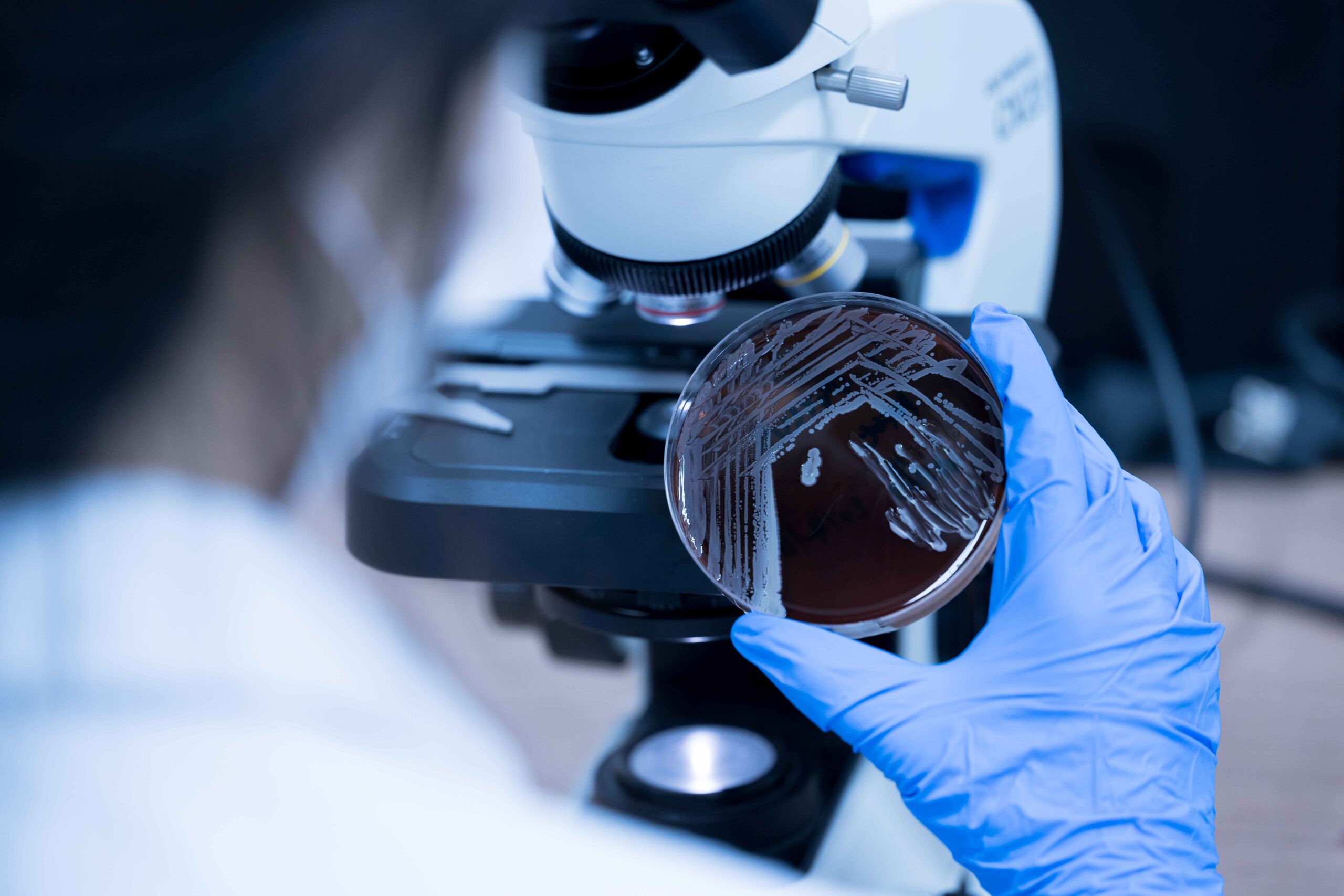
In the early 1800s, few doctors believed that unseen organisms could cause disease. Surgeons often moved from one patient to the next without washing their hands. Infection and death were common, but the cause remained a mystery. When a few voices suggested that invisible “germs” might be responsible, most dismissed the idea as nonsense.
It wasn’t until overwhelming evidence forced a change that the “germ theory” of disease gained acceptance. But it didn’t happen overnight. It took decades to overcome skepticism, pride, and tradition.
The same pattern occurs in the spiritual realm. Just as germs quietly invade the human body, unseen ideas can infect the gospel message—distorting and weakening it from within.
The Battle Over Germ Theory
The discovery of pathogens—disease-causing microorganisms, such as viruses and bacteria—was a gradual process. Ancient thinkers suspected something unseen, but it wasn’t until the 17th century that microscopes revealed a hidden world of living organisms. Still, many physicians resisted.
They believed sickness came from “bad air” (the miasma theory) or from imbalances in the body’s humors. Treatments like “bleeding” patients were well-intentioned but harmful. Even when bacteria were observed, many argued they were merely by-products of disease, not the cause.
Cleanliness seemed unnecessary. Surgeons took pride in their speed rather than in sanitation. The idea of scrubbing hands, disinfecting instruments, and sterilizing wounds was seen as wasteful—until evidence finally proved otherwise.
The shift required humility, patience, and courage. Germ theory revolutionized medicine, but only after generations of resistance.
Spiritual Germ Warfare
Like our physical bodies, the gospel is constantly under attack—not only by overt persecution but also by spiritual pathogens. Every era faces its own infections, subtle distortions that weaken the gospel’s vitality and obscure its power to transform lives.
The early church understood this battle well. In its first three centuries, the gospel was assaulted by various theological “germs”: Ebionism, Docetism, Gnosticism, Arianism, Apollinarianism, and Nestorianism. These heresies questioned the very identity of Christ—denying either His divinity or His humanity.
It took decades and multiple church councils to expose these infections and develop doctrinal “antidotes.” The outcome was a clearer understanding of who Jesus is and what He achieved. The Apostles’ Creed, for instance, served as an early declaration of gospel clarity and health.
These early pathogens targeted the gospel’s core narrative—Christ’s incarnation and demonstration. The fight purified the message and protected its integrity.
Resistance in Our Time
Today, we face our own resistance to gospel hygiene. Like the doctors who once dismissed germ theory, many in our evangelical circles hesitate to admit that something might be wrong with our methods. Tradition, pride, and a desire for quick results can blind us to the need for diagnosis and change.
Imagine a hospital that boasts about how many babies it delivers each year—yet ignores the rising rate of stillbirths and birth defects. In the medical community, success isn’t measured by the number of deliveries but by the number of healthy births.
Shouldn’t the same apply to gospel ministry? Should we focus on how many people say a “sinner’s prayer,” or on how many genuine, growing disciples there are?
Jesus’ parable of the sower reminds us that not every seed produces lasting fruit. But what if, beyond the soil conditions, the seed itself was compromised—infected by spiritual pathogens before it was even sown?
Modern Gospel Pathogens
Once a pathogen is identified, a cure can be found. The same principle applies to the gospel. We must scrutinize our message through the lens of Scripture to spot where infection has taken hold. Here are some of the most common modern pathogens that weaken the gospel’s effectiveness.
Fragmentation — Sharing only fragments of the gospel story.
Effect: The message loses coherence and fails to display the full majesty of Christ’s work.
Narcissism — Recasting the gospel around personal fulfillment and “my best life.”
Effect: The gospel becomes self-centered, focusing on our story rather than God’s.
Postmodernism — Viewing the gospel as a private, individual experience detached from history.
Effect: The message loses its connection to God’s grand redemptive narrative.
Reductionism — Treating sin as a surface issue of behavior rather than a heart rebellion.Effect: The gospel becomes superficial, offering moral improvement instead of true transformation.
Syncretism — Combining gospel truth with competing worldviews.
Effect: Divided loyalties dilute devotion to Christ and create confusion around the call to repentance.
The Cure
The cure begins with courage—the courage to look honestly examine what we preach and believe. When pathogens are identified, medicine doesn’t deny them; it confronts them. Likewise, when distortions of the gospel are discovered, we must be willing to apply the antidote of truth.
Paul reminded the Romans that the gospel is “the power of God for salvation” (Romans 1:16). That power is still available—but only when the message remains pure.
The question is: Will we have the humility and courage to examine our gospel, identify the infections, and apply the cure Scripture prescribes?
For Reflection
- What similarities do you observe between the medical opposition to germ theory and resistance to gospel reform?
- How can we identify “pathogens” in our current gospel presentations?
- Which of the modern pathogens (fragmentation, narcissism, postmodernism, reductionism, syncretism) do you see most clearly in our gospel presentations today?
Estimated reading time: 5 minutes